In this article
Keep about ten everyday staples bought a little ahead, and dinner stops depending on whether you made it to the store.
Some weeks pile up all at once. Rides to arrange, late meetings, a sick kid. By 5 p.m. the fridge looks bare and the energy to shop is gone. A well-kept pantry is what turns that moment from a scramble into a plan.
What a working pantry actually is
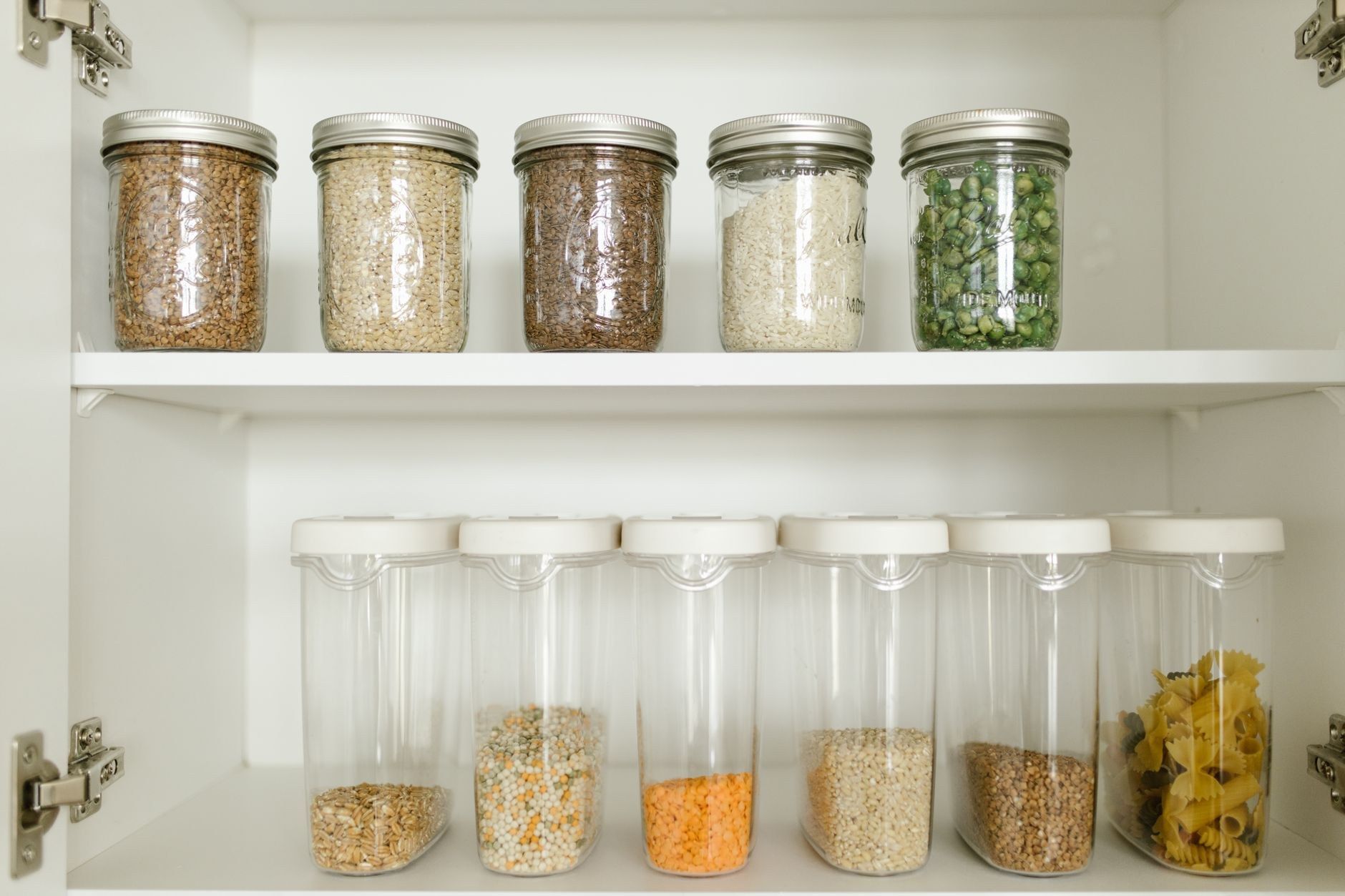
This isn't an emergency stockpile or a spare room lined with buckets. A working pantry holds only the ingredients you genuinely cook with, restocked on purpose so they're always there.
In practice, that means the ten or so items you use every week, purchased slightly before you run out. No special equipment, no complicated system. Just a steady supply of the basics.
The core staples
A solid starting set looks like this:
- Flour
- Oats
- Rice
- Beans
- Canned tomatoes
- Broth
- Honey
- Salt
- A couple of spices you really enjoy
- Something sweet for baking
With these on the shelf, a full meal can come together from very little. Think soup, homemade bread, beans and rice, or pancakes for dinner on a night when everyone is worn out and honest about it.
How it plays out on a hard night
Picture a long workday followed by an evening of homework help, then arriving home with no plan and nothing fresh to cook. The usual options are panic or spending money that didn't need to be spent.
With a stocked pantry, the answer is already in the cupboard. Broth, beans, rice and canned tomatoes, plus some frozen chicken that had slipped out of mind, can become dinner in about 30 minutes. It won't be fancy or photo-worthy, but everyone eats and nobody has to head back out the door.
That's the real value. A pantry isn't about bracing for disaster. It's about getting through an ordinary weeknight without stress.
Start with just five
There's no need to reorganize the whole kitchen. Begin small:
- Choose five ingredients you cook with every week.
- On your next grocery run, buy one extra of each.
- Keep them together on a shelf where they're easy to see.
That's the whole first step. Once those five extras are in place, you're no longer building every dinner from scratch each night. Small, steady habits like this one are what make a busy week feel manageable.