In this article
Tariffs on cans, imported produce and beef are pushing grocery bills up, but a few smart swaps can keep your cart affordable.
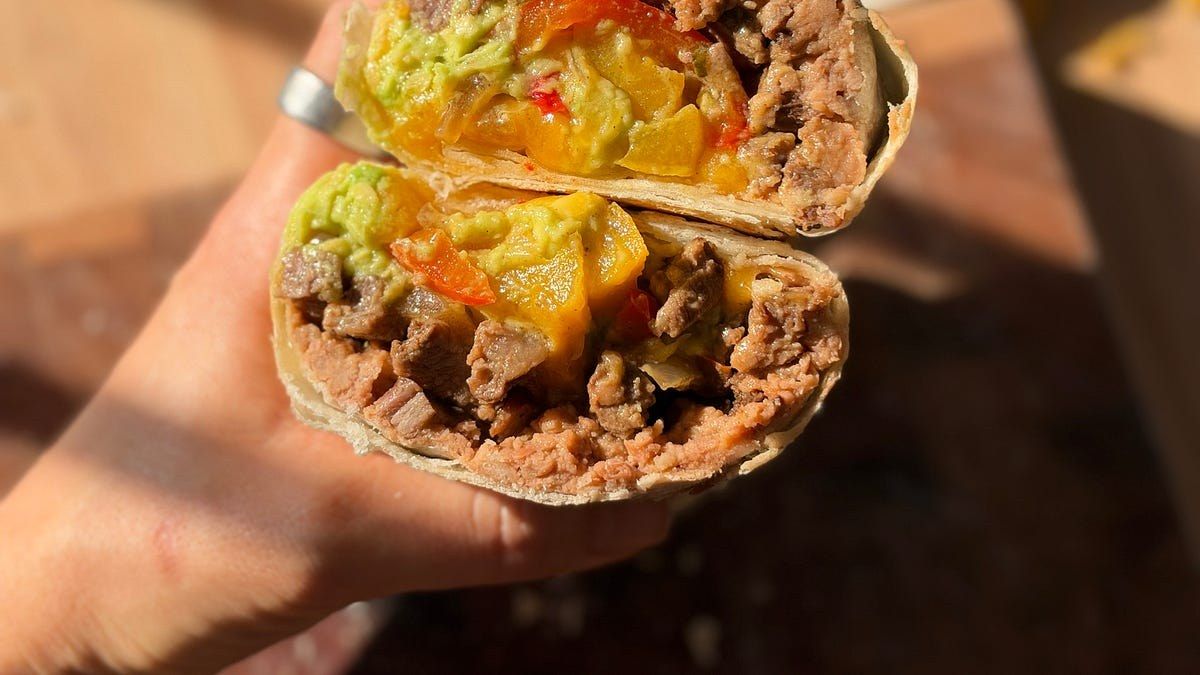
If a cart that once rang up at $100 now lands closer to $140, the math is right. Estimates put the extra amount families spent on goods and services between 2025 and June 2026 at over $3,500. When three popular budget recipes from 2024 were re-priced at July 2026 prices, their costs had climbed between 27% and 46%. A shrimp and white bean stew, for example, came to $15.69, which is $4.47 more than before, a 39.84% jump.
Much of that rise traces back to trade duties rather than ordinary inflation. Packaging, imported ingredients and distributor markups all play a part.
Skip the metal
Canned food costs more partly because of the can itself. About 80% of the tin-coated steel used for canned beans, soup and tomatoes is imported, mainly from Canada, Japan, Germany and South Korea. More than half of raw aluminum for drink cans comes from Canada, with the rest from the UAE and China. Importers pay duties at the port, food brands absorb them, and shoppers pay the difference at the register.
Swap toward:
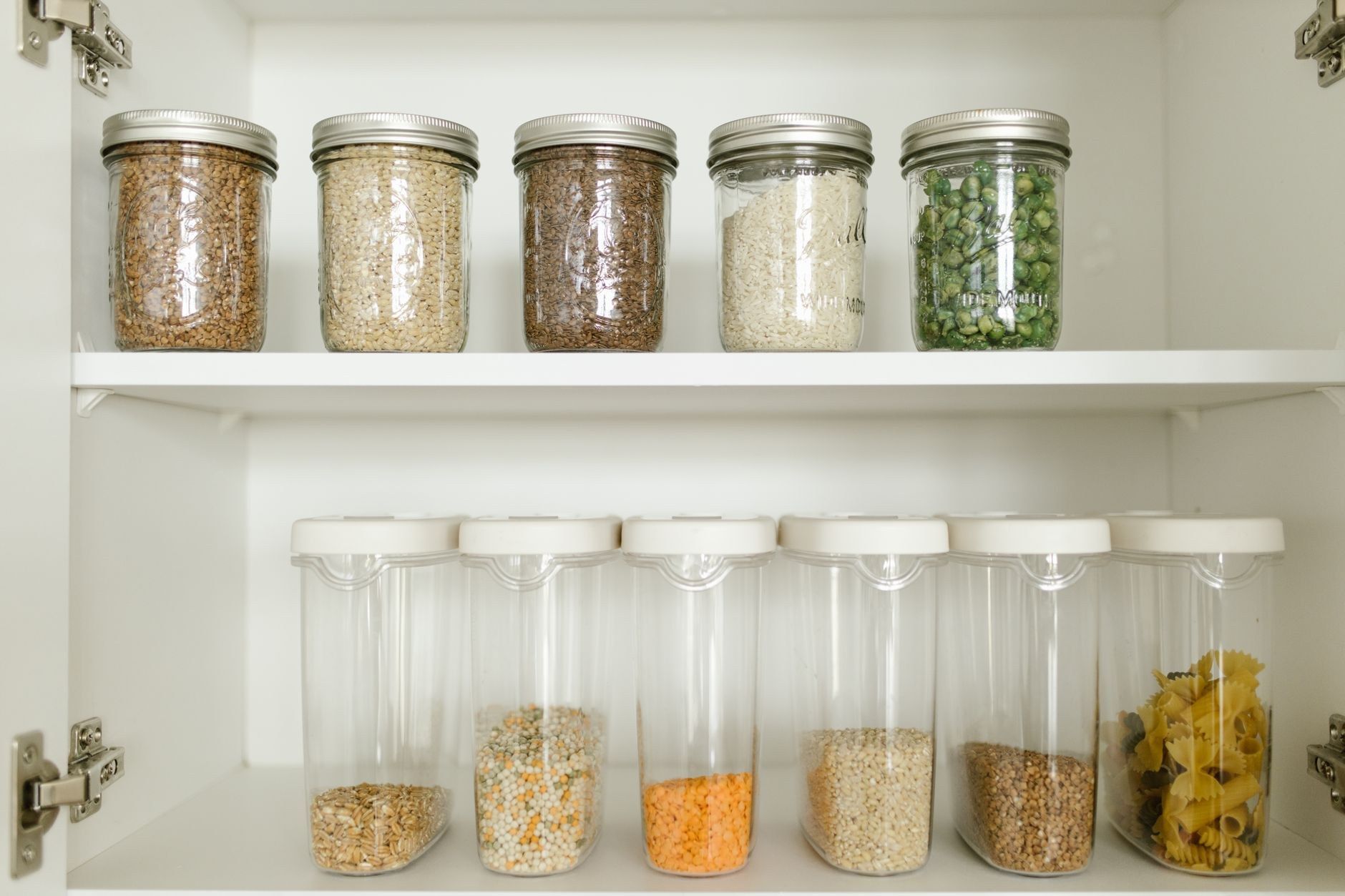
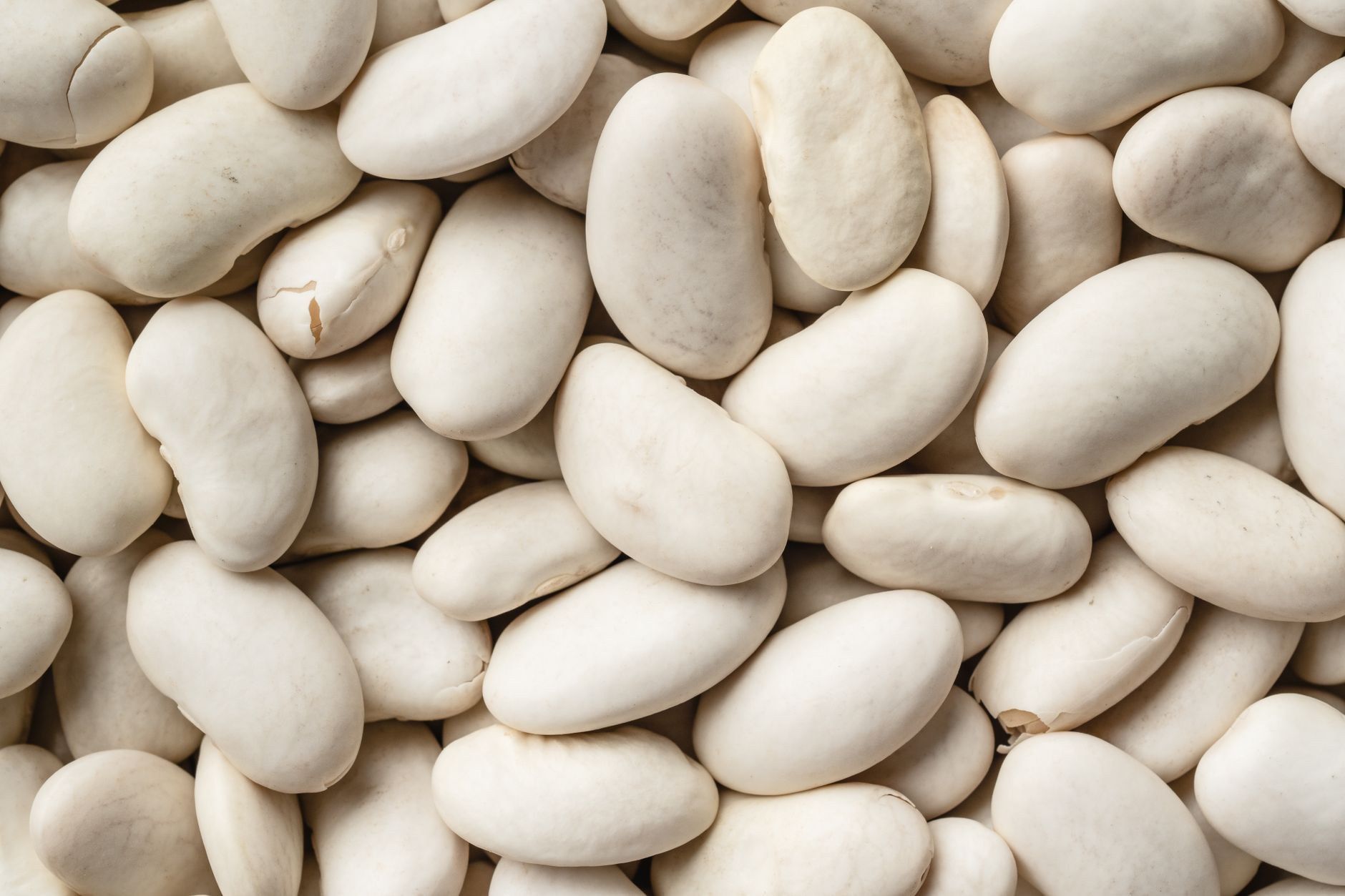
- Dry beans sold in bags
- Frozen vegetables
- Fresh produce
- Ingredients sold in cardboard boxes or cartons and packed in the U.S.
Buy domestic, especially store brands
European pasta, cheese, wine and spirits carry heavy tariffs. Each step of the distribution chain adds its own markup, so a modest duty at the port becomes a much bigger shelf price. Store-brand pasta made from U.S.-grown and U.S.-processed durum wheat never crosses a border, so it carries no import tariff at all. The same logic applies to local cheeses and American-grown grains.
Rethink the protein
Beef prices are at record highs. Domestic cattle herds are at multi-decade lows, and ground beef relies on lean trimmings imported from Australia and Brazil. Seafood is also exposed: 80% to 90% of what the U.S. eats is imported, and shipments from Vietnam, India, Indonesia and Canada face anti-dumping and Section 301 tariffs.
Better-value options:
- Eggs: Forecast to fall 27% to 30.7% for the year as flocks recover from avian flu.
- Chicken: Domestic poultry stays among the most stable meats on the shelf.
- Dry beans and legumes: Use them in place of some or all of the ground beef in chili, stews and taco night.
Watch the produce aisle
Fresh vegetables are forecast to rise 6.8% for the year, but the spread is wide. Potatoes are up a modest 1.4%, while tomatoes are up 19.5% and lettuce 32.1%. Imported Mexican tomatoes see seasonal spikes, so domestic zucchini makes a cheaper stand-in. Frozen fries, largely imported from Canada and Belgium, also stay pricey. Homemade fries from U.S.-grown potatoes cost less.
Categories still under pressure
- Beef: Forecast to rise 5.5% to 7.5% for the year, after tracking 12% to 15% higher year-over-year in spring.
- Sugar and sweets: Projected to rise 6.9% to 7.2%. Sugar import limits keep both U.S.-made candy and European chocolate expensive, even with cocoa exempt from reciprocal tariffs.
- Nonalcoholic beverages: Forecast to rise 5.7%, driven by green coffee import costs and can tariffs.
Tariffs on Brazilian and Colombian green coffee placed in mid-2025 were later reversed, since neither crop is grown commercially in the U.S. The Supreme Court ruled in February that the earlier tariffs were illegal. In July, however, a new round was announced covering 60 trading partners, with baseline rates of 10% to 12.5%, up to 50% on Canada and 25% on Brazil.
The simple rule
Foods that are heavily processed, packed in metal or imported from overseas tend to carry tariff costs. To build a pantry that holds up as prices shift, fill your list with raw staples, bagged goods and domestically grown foods.