How to Build a Realistic Weekly Meal Plan for One
Meal planning for one is different. Here's how to do it without wasted food, boring repeats, or unrealistic prep.

Why Planning for One Is Its Own Problem

Most meal planning advice assumes you are feeding a family, or at least a couple. Recipes serve four. Grocery lists assume someone will eat leftovers without complaint. Packs of chicken thighs come in sets of six. When you are cooking for one, the standard approach breaks down almost immediately, and the result is usually a fridge full of half-used vegetables and the same soup eaten four days in a row.
Building a weekly meal plan that actually works for a single person requires a different starting point. The goal is not to scale down a family system. It is to build something that fits the real shape of a solo cooking life - smaller quantities, more flexibility, and a realistic view of how much you actually want to cook on any given evening.
Start With How Many Meals You Actually Need

Before writing a single recipe name on paper, count the meals you genuinely need to cook this week. Most people overestimate this. If you eat lunch at work three days, skip breakfast at home, or regularly meet a friend for dinner on Thursdays, those meals do not belong on your plan.
A realistic weekly plan for one person might cover five or six dinners, three or four lunches, and a loose idea of breakfasts. That is a much smaller target than a full 21-meal grid, and it is a much more honest one. Starting from your actual schedule prevents the most common meal planning mistake: planning more food than you have time or appetite to eat.
Choose a Planning Style That Matches Your Personality
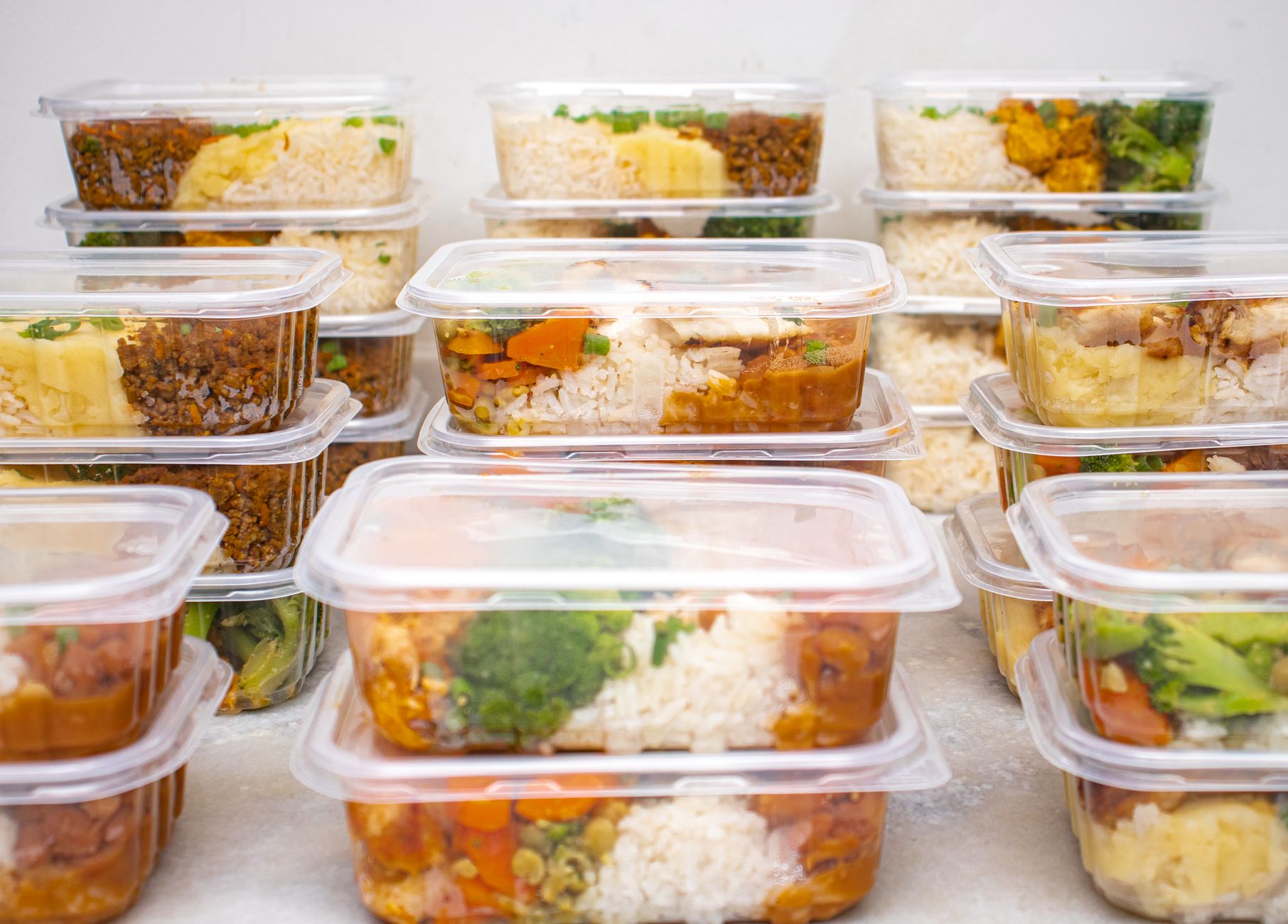
There are two broad approaches to weekly planning, and which one suits you depends on how much structure you want.
The first is a fixed schedule: Monday is pasta, Tuesday is stir-fry, and so on. This works well if decision fatigue is a real problem for you and you find it easier to just follow a system. The second is a flexible ingredient plan: you buy a set of proteins, vegetables, and pantry staples, and you decide each day what to make with them. This works better if you eat based on mood or energy level and hate feeling locked into a choice you made on Sunday.
Many solo cooks find that a hybrid worth trying. Pick two or three meals with specific recipes, and leave the rest of the week open with ingredients that can go several different directions. For example, a bag of spinach can become a salad, a pasta filling, or a scrambled egg addition depending on what you feel like. That kind of flexibility reduces waste while still giving you a plan.
Build Around Ingredients That Pull Double Duty
The single most practical principle in solo meal planning is overlap. Every ingredient you buy should appear in at least two meals. This is not about eating the same thing twice - it is about buying a whole onion and actually using the whole onion before it softens in the crisper drawer.
When you write your weekly plan, look at the proteins and produce you have chosen and ask where they cross over. A half-can of chickpeas left from a curry can go into a quick lunch salad the next day. A roasted sweet potato made alongside dinner can become the base of breakfast the following morning. Cooked grains - rice, farro, barley - keep well in the fridge for several days according to USDA food safety guidelines and can shift between meals easily.
This overlap approach also shapes how you shop. Rather than buying specific ingredients for each individual recipe, you buy versatile ones. Eggs, canned beans, a block of firm tofu, one bunch of greens, one allium, one starchy vegetable - these form a practical core that can move between several different meals without waste.
Write the Plan From the Perishables Down
A useful habit when building your weekly menu is to sequence meals by ingredient shelf life. Fresh fish or delicate greens go on Monday or Tuesday. Hardier vegetables like cabbage, carrots, or winter squash can wait until Thursday. Pantry meals - pasta, lentils, canned tomatoes - belong at the end of the week when fresh supplies are low.
This is not a complicated system. It just means looking at what you plan to buy and asking when each thing needs to be used. Planning meals in this order reduces the chance that something goes bad before you get to it, which is the main reason solo meal plans fall apart mid-week.
Shop With a Narrow, Intentional List
Grocery shopping for one is most efficient when the list is built directly from the plan and nothing else. Each item on the list should have a clear role in at least one meal. If you cannot say which meal an ingredient is for, it probably does not belong in the cart.
This is harder than it sounds at the checkout line, where larger sizes often cost less per unit. Buying the bigger pack is only a good deal if you will actually use it. For solo cooks, it is often better to spend slightly more on a smaller quantity than to buy in bulk and throw half of it away. The main exceptions are pantry staples with long shelf lives - olive oil, dried pasta, canned goods, spices - where buying more makes practical sense.
Keep the Plan Simple Enough to Actually Follow
A weekly plan for one should not require elaborate prep sessions or a large collection of recipes. The more complicated the plan, the less likely it is to survive contact with a real Tuesday evening when you are tired and hungry.
Three or four distinct meal ideas, built around overlapping ingredients, with one or two of those meals simple enough to make in under 20 minutes - that is a realistic weekly plan for a solo cook. It leaves room for a meal out, a night when you eat leftovers, and the occasional evening when cereal is the answer.
The plan does not need to be perfect. It needs to be specific enough to guide your shopping, flexible enough to survive the week, and honest enough to reflect how you actually live.