In this article
Most pantry chaos comes from not seeing what's already there. A one-time sort and a simple restocking habit can end the duplicate buying for good.
The problem is rarely too much food. New groceries go in the front, older items slide out of sight, and soon there are three open bags of brown sugar tucked behind a can bought for a dish that never happened. Fix visibility, and the doubles mostly stop on their own.
Clear the shelves first
Skipping this step is tempting, but it does the most good. Pull everything out and gather like items together so the full inventory is visible at once. There's no need to tackle the entire pantry in one go. Working shelf by shelf is perfectly fine.
Start with the easy calls. Bulky items nobody uses, spoiled food, and leftover packaging can go immediately. Clearing those out early frees space and makes the rest of the sorting feel manageable.
Decide what stays
Sort into three piles: keep, toss, and donate.
- Toss anything past its date.
- Consider letting go of anything untouched for six months, plus spices and specialty items bought for a single recipe that won't be repeated, even if they're technically still good.
- Donate sealed, unexpired non-perishables. Food banks and shelters nearly always accept them.
For the rest, think about how the household really eats. Cooking habits, lifestyle, and dietary preferences should decide what earns shelf space. A bag of quinoa ignored for a year is crowding out something reached for every week.
Give every category a zone
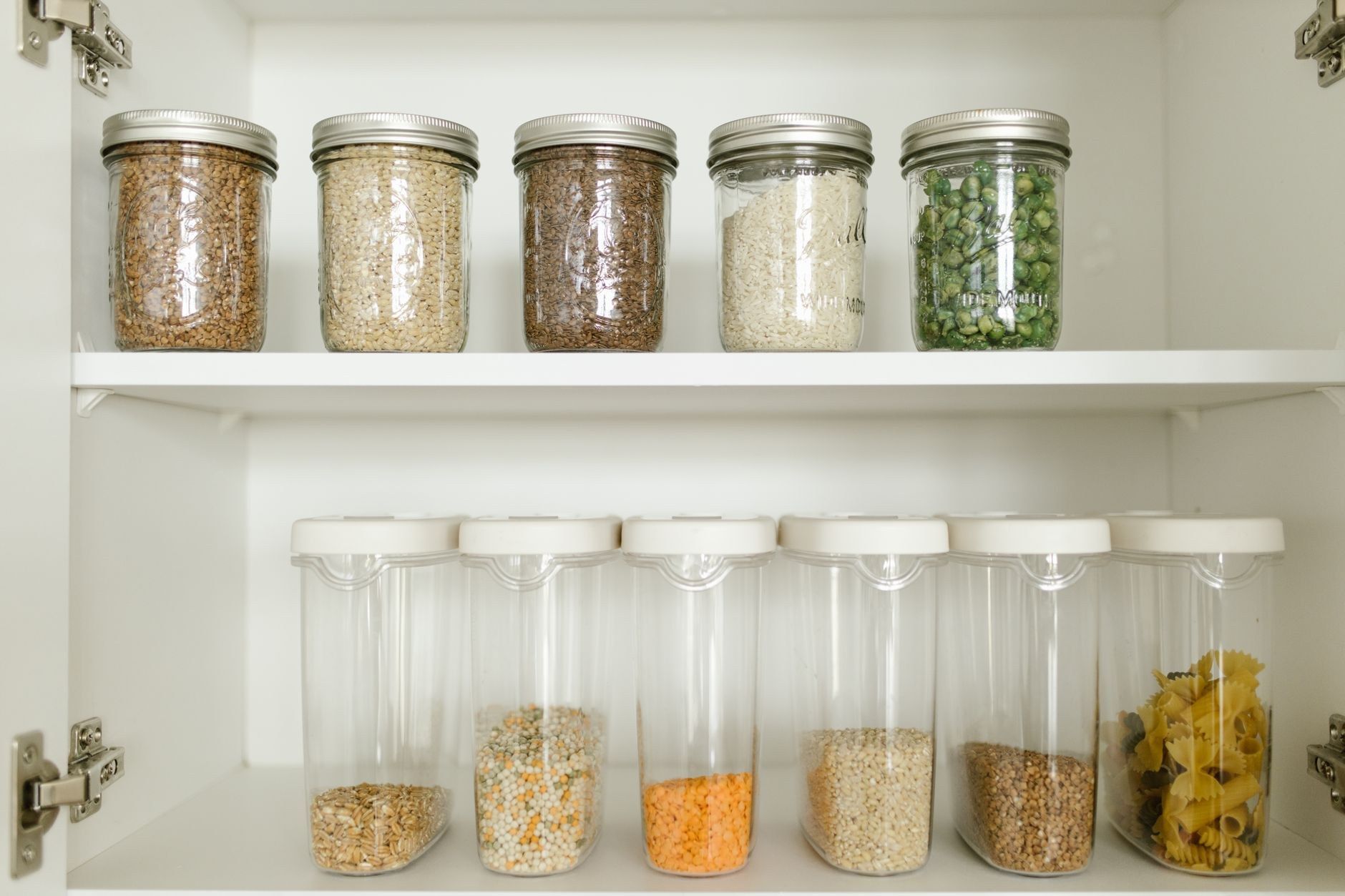
Return the keepers by group rather than wherever they fit. Put canned goods in one spot and baking supplies in another, then give snacks and breakfast foods their own areas. Grouping is what keeps a pantry from sliding back into disorder within a month.
Two rules help zones last:
- Put the item used most in each zone at the front.
- Leave a bit of open space in every zone. A shelf packed edge to edge is harder to keep tidy, because new groceries end up in whatever gap appears.
Restock with FIFO
FIFO means first in, first out. It's a rotation method used for decades in restaurant kitchens and supermarkets. The oldest stock gets used first, so it should always be the easiest to grab.
When unloading groceries, slide new cans and boxes behind the ones already there. Once that becomes routine, it takes no extra thought, and expired cans stop turning up two rows back. Checking dates while restocking and setting the soonest-to-expire items in front does the job. No rotating can rack is required.
Making a small pantry work
A single narrow cabinet can still function well:
- Keep small appliances somewhere else and reserve the pantry for food. This alone often frees a lot of room.
- Add shelf risers to use the vertical space above short stacks of cans.
- If things still don't fit, a shelved kitchen cart parked nearby makes good overflow storage.
Storage on a budget
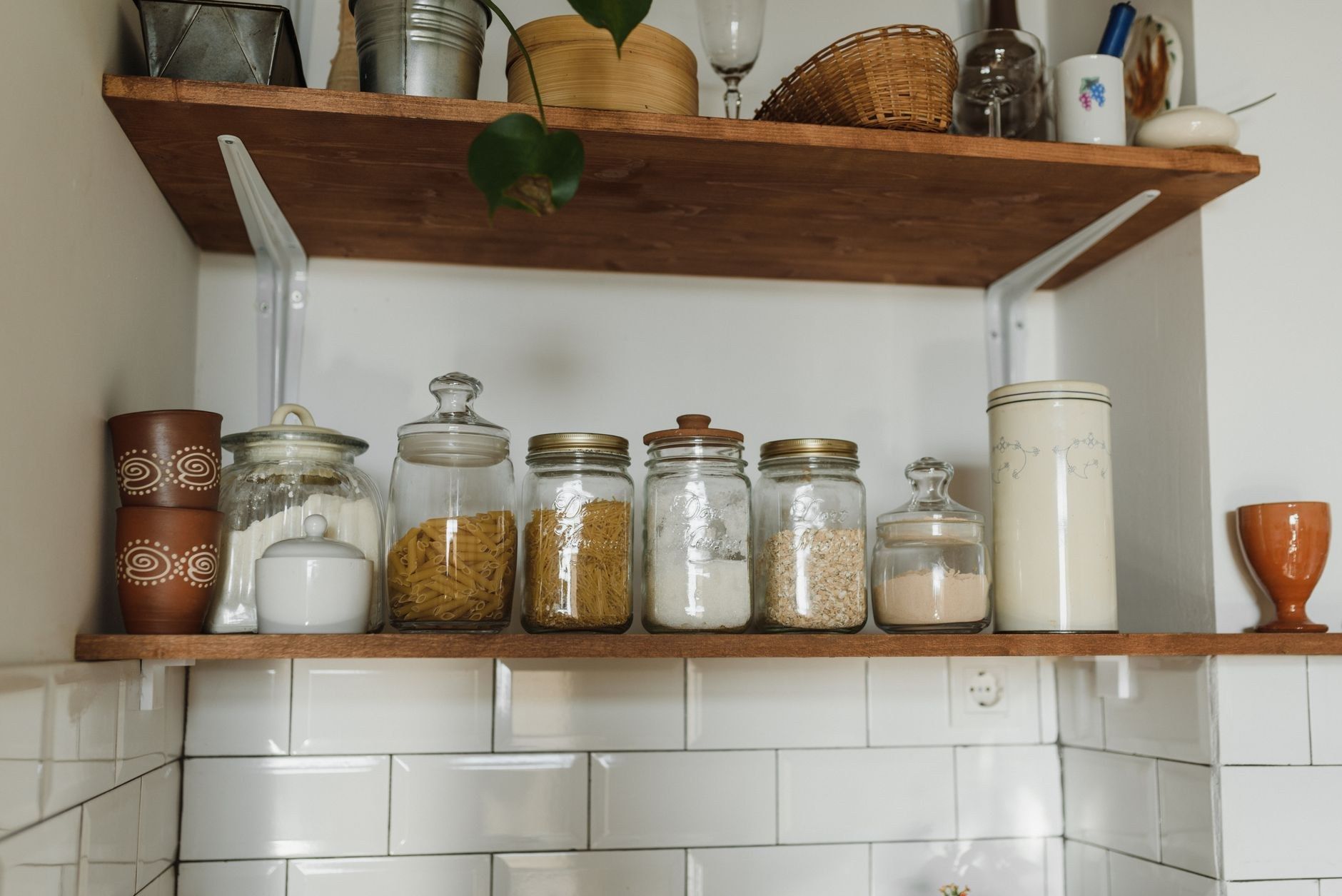
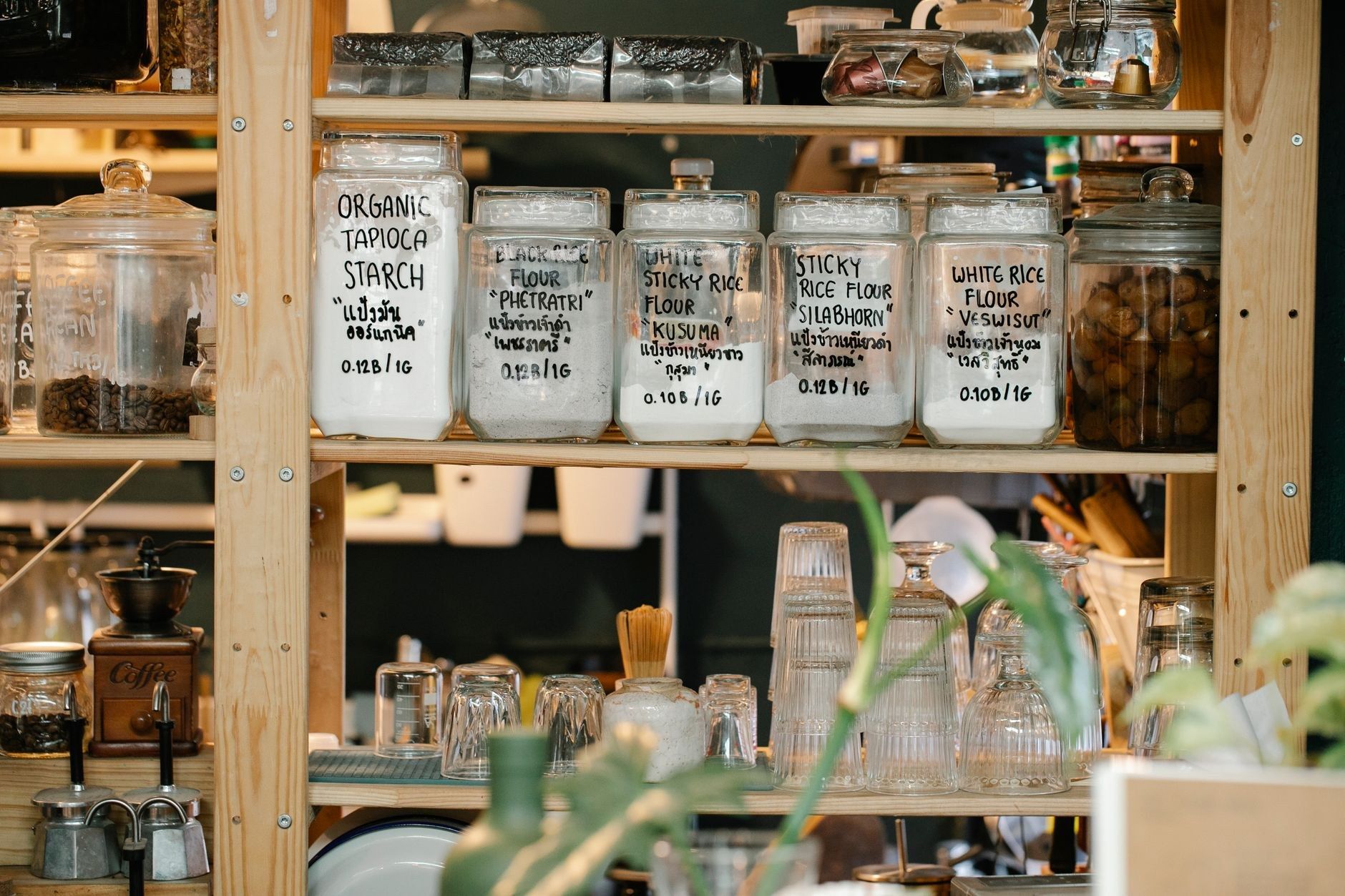
Clear bins and jars help, but there's no need to buy a matching set at once. Gather clear containers gradually and the system builds itself. Look at what's already in the house first. An old shoebox holds snack packets as well as any labeled bin.
Keep it up in minutes
Regular quick upkeep beats a once-a-year overhaul. Set aside five or ten minutes each week, ideally just before the grocery run. Use that time to throw out anything spoiled, move new purchases behind older ones, and straighten whichever zone has drifted.
To get started, empty one shelf and sort it into keep, toss, and donate. Then return the keepers grouped by type with the oldest in front. One shelf is plenty for a first session, and the rest can follow later.